Journey with Hiroshige – exhibition of István „Taikyo” Szaladják
Opening on Wednesday, October 16, 2024, at 6 pm
Opening remarks by László HARIS photographer
Exhibition of István „Taikyo” SZALADJÁK
Curated by Emese MUCSI
Venue: Robert Capa Contemporary Photography Center 8F Gallery (1065 Budapest, Nagymező utca 8.)
On view: October 17, 2024 - February 9, 2025
Every day 9 am – 7 pm
Closed on public holidays.
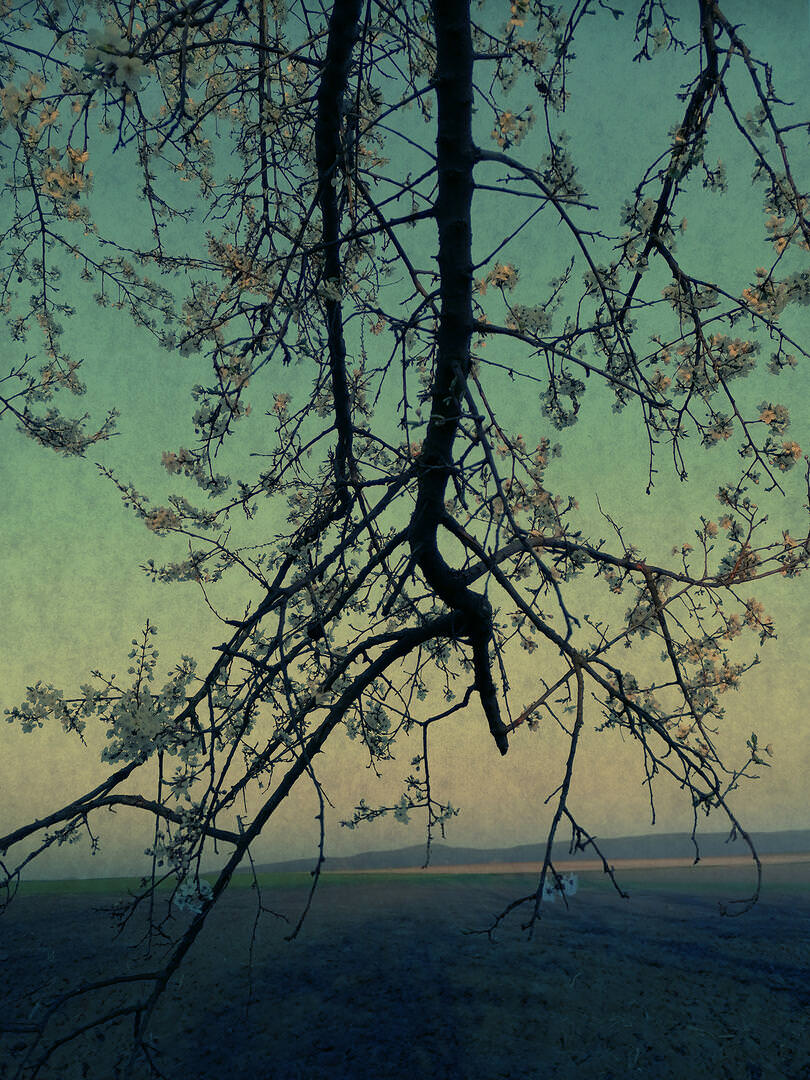
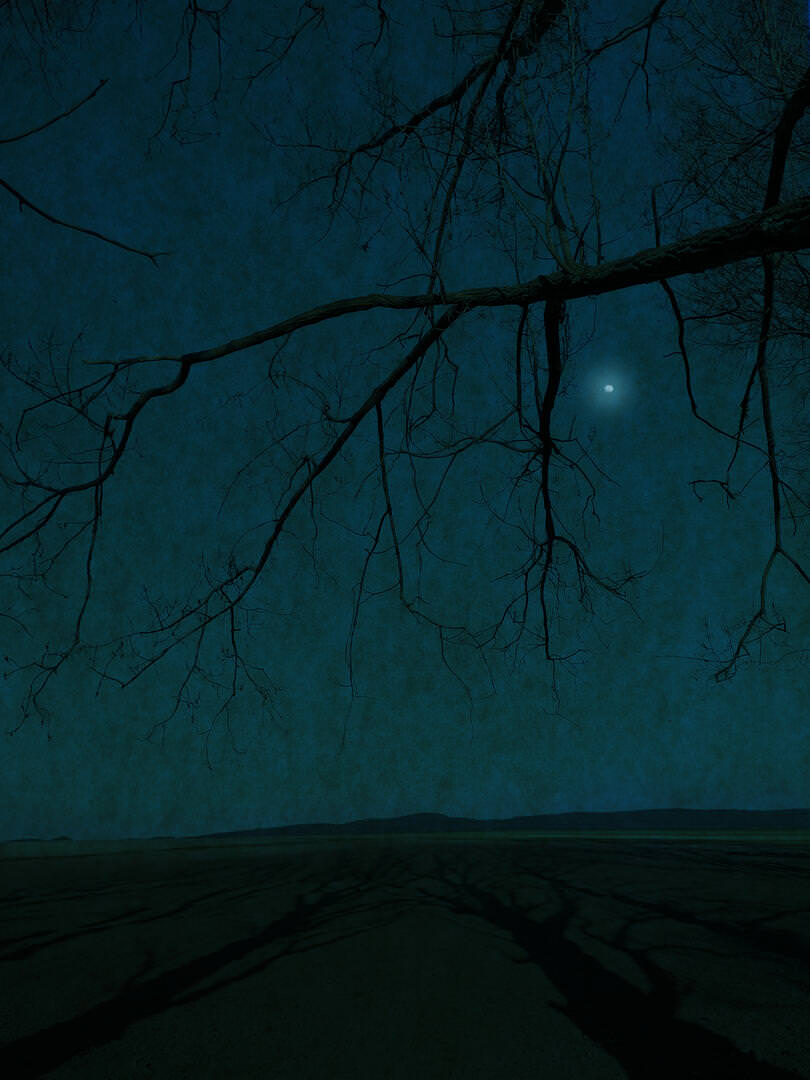
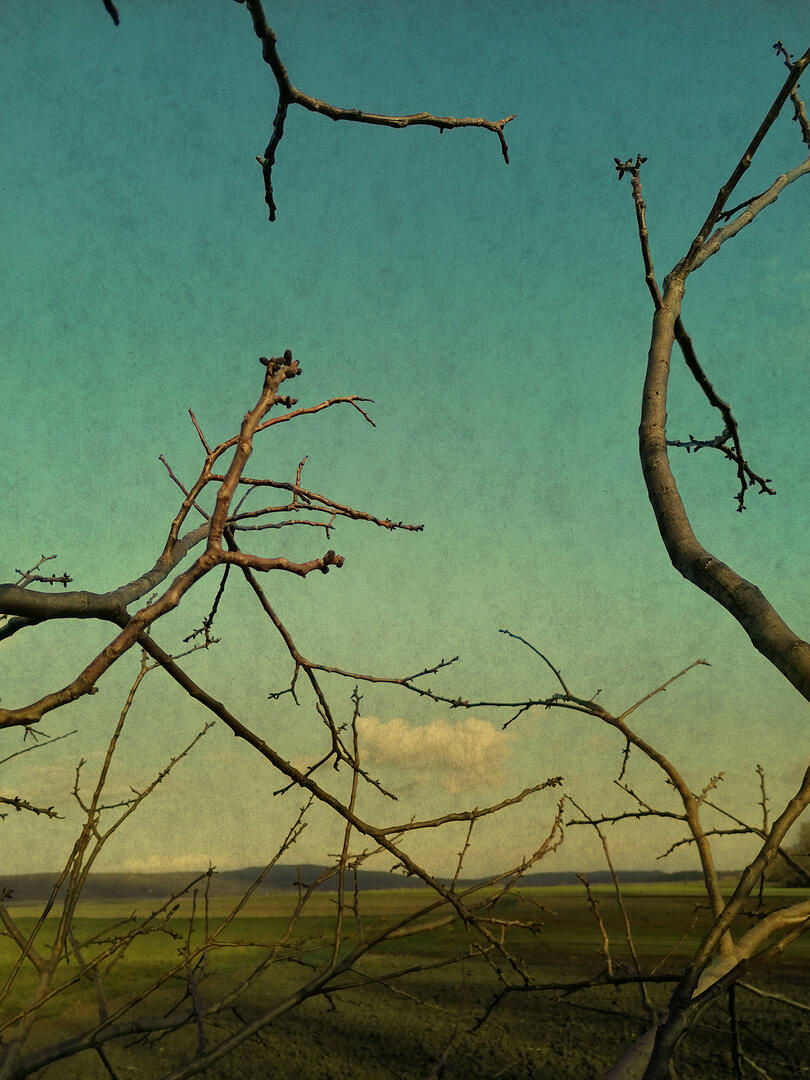
In his latest series, István “Taikyo” Szaladják explores the contemporary potential of the landscape genre. Through his experimental creative processes, he is pushing the boundaries of digital and analogue, as well as panoramic photography in terms of genre, technique, and scale. Unlike the natural phenomena of which it is composed, the landscape exists only when we observe it, or record our observations as images.* With his new work, István Szaladják aims to contribute to this discussion. His meditative photographs and panoramas show the Hungarian landscape without human figures, evoking a sense of solitary retreat. Although, at first glance, his photographs may appear to be landscape depictions linked to the history of Western panel painting, Szaladják’s particular “philosophy of silence” is essentially based on Far Eastern references: Zen as well as the Chinese and Japanese graphic and ink painting traditions are his main frames of reference and inspiration. His panoramas are photographs and paintings at the same time: the nearly three meters long photographs appear on watercolor paper, using a special experimental technique. Also active as a cinematographer, Szaladják’s horizontally stretched panoramic shots both evoke and exaggerate the CinemaScope film aspect ratio, linking the frame of reference to the cinematic tradition as well. In the visual analysis of the landscapes displayed, the viewer finds simple, natural subjects: valleys and mountains surrounded by trees, strong contrasts between foreground and background, and large empty spaces. Szaladják seeks to return to the source, to the simplicity he has undertaken, where his works are intended to reveal their inner subtlety – the elements of the natural landscape, and through them, the nature of existence, the absolute – only to the attentive and patient observer.
“In their woodblock prints, Hiroshige and Hokusai captured landscapes and moments in their travels. Travel is wandering, movement and its pauses, the »stops« complement each other. One cannot exist without the other, just as music cannot exist without pauses. It is along this line that my images are linked to the Eastern tradition, my photographs are images of pauses during wandering, images of attention. I intend that these photographs may have no intellectual meaning. They represent only themselves, just as the landscape represents itself. They need not, and should not, be put into context. The appropriation of meaning itself is an expression of the ego, of the self: a separation from reality. For the modern man, everything is seen through the filter of the self, so meanings differ from person to person, but so do the approaches of the various eras. However, behind these personal universes lies an invisible world, the silent world of transcendence, obscured by the visible story, the world of interpretations, the world of the ego. These images go back to a state before language and before thinking: they are parts of the invisible story. Their content is primarily emotional and evocative, and they are deeply rooted in the invisible world through the power of observation. A characteristic of this invisible world is the elemental beauty inherent in birth, existence and passing away. This is the imperfect perfection of existence. As we come and go, and during our journeys, this invisible world emerges and becomes visible when the mind is quieted, and suddenly we are able to recognize it. As if looking through a window into the stillness of eternity frozen in time. At other times it is revealed when we awaken from a deep unconscious sleep, and the perceived world slowly unfolds from the white silence of consciousness, like the face of saints from the gold of an icon, or images on white photographic paper in the darkroom. The chemicals of awakened consciousness give us a glimpse into the silence of eternity. This is a sacred mystery.” – István “Taikyo” Szaladják
cinematographer, film director, photographer
* Sándor. Radnóti: A táj keletkezéstörténetei. „Ők, akik nézték Hannibál hadát”, Atlantisz Könyvkiadó, Budapest, 2022